
A full mouth restoration case is not simply about making teeth look better in photos. For many people, it is about eating without fear, speaking clearly, sleeping without dental pain, and no longer planning life around what their teeth cannot do. If you have been handed a long, expensive treatment plan in Bermuda, you deserve time, straight answers, and a realistic alternative.
Comprehensive dental care can feel overwhelming because several issues are often happening at once: missing teeth, worn enamel, broken crowns, gum concerns, old fillings, shifting teeth, or a bite that no longer feels right. The right plan brings those pieces together in a deliberate order, with your health, comfort, budget, and travel schedule considered from the start.
What Is a Full Mouth Restoration Case?
A full mouth restoration case is a customized plan to restore the health, function, and appearance of most or all of the teeth. It may involve a combination of crowns, bridges, dental implants, implant-supported dentures, fillings, root canal treatment, gum care, extractions, veneers, or bite adjustment.
The phrase can sound like one fixed procedure, but it is not. One patient may need to replace several missing teeth with implants and crowns. Another may need to stabilize gum health and restore heavily worn teeth. Someone else may have failing dental work throughout the mouth and need a phased plan that protects the teeth that can still be saved.
That is why a quality evaluation matters more than a quick price quote. The goal is not to add the most treatment possible. It is to identify what is necessary, what can wait, and what will give you a stable result that works for your life.
When Comprehensive Restoration May Be Worth Discussing
You do not need to wait until every tooth is failing to ask about full-mouth care. A consultation may be useful when dental problems are affecting your daily comfort or when individual repairs no longer seem to solve the larger issue.
Common signs include repeated crown or filling failures, multiple missing teeth, pain when chewing, teeth that are cracked or very worn, loose dentures, chronic sensitivity, and a bite that has changed over time. Some people avoid smiling because they feel embarrassed. Others have learned to chew on one side of their mouth and may not realize how much they have adjusted their lives around the problem.
There is also a financial reason to step back and look at the full picture. Paying for emergency repairs one tooth at a time can become expensive and frustrating. A comprehensive plan can help you understand the likely sequence of care, rather than repeatedly reacting to the next urgent issue.
The First Decision Is Diagnosis, Not Treatment
A responsible restoration plan begins with detailed records and a clinical assessment. Depending on your needs, this can include dental X-rays or 3D imaging, photographs, scans or impressions, a review of your bite, an examination of the gums, and a discussion of your medical history.
The dentist should explain which teeth have a favorable prognosis, which may need further treatment, and which cannot reasonably be saved. This conversation can be emotional. Keeping a natural tooth is often ideal when it can be restored predictably, but saving a tooth at any cost is not always the best long-term choice.
You should also expect a discussion about priorities. Are you dealing with pain? Do you need reliable chewing first? Is appearance a major concern for an upcoming event? Is the most practical route a phased approach? There is no single right answer, but there should be a clear reason behind every recommendation.
A plan may be completed in phases
Not every patient should attempt all treatment in one trip. Some procedures require healing time, particularly when implants, bone grafting, extractions, or gum treatment are involved. An implant may need time to integrate with the bone before the final crown or bridge is placed.
For that reason, your treatment may be organized into an initial care visit and a later restorative visit. Temporary teeth, when clinically appropriate, can help protect appearance and function while healing takes place. A clinic should be direct about timing rather than promising a rushed result that does not respect biology.
What Treatment Can Include
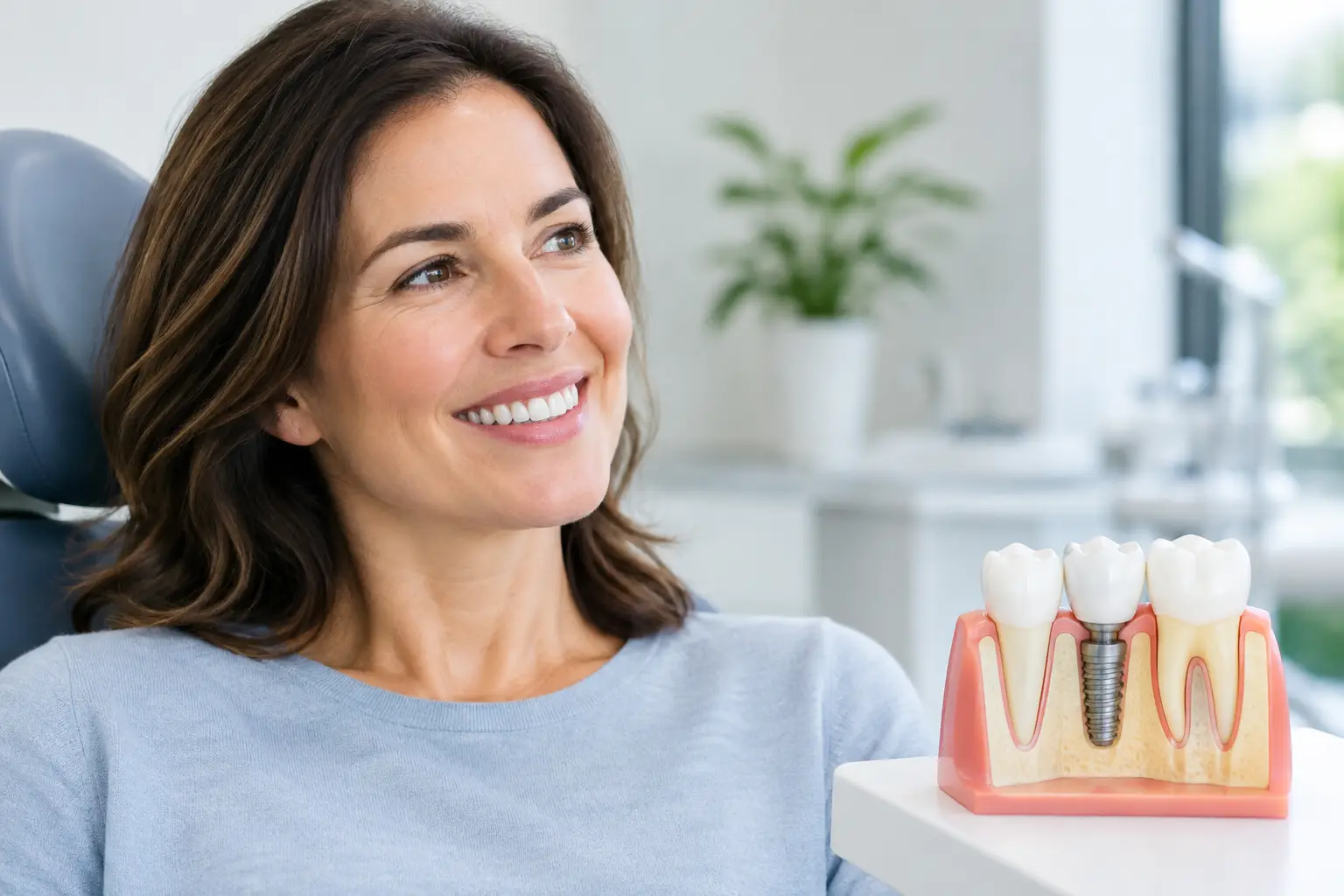
The treatment mix depends on your diagnosis. Crowns can protect teeth that are weakened by large fillings, fractures, or root canal treatment. Bridges can replace one or more missing teeth by using adjacent teeth for support. Dental implants can replace missing tooth roots and support individual crowns, bridges, or full arches of teeth.
For patients with many missing or failing teeth, implant-supported options may provide more security than conventional removable dentures. However, implants are not automatically the best choice for every person. Bone quality, gum health, medical history, smoking, oral hygiene, and budget all matter.
Cosmetic work may also be part of the plan, but it should follow sound restorative care. A brighter, more even smile feels far more meaningful when the teeth and gums underneath are stable. A beautiful result is not just about color or shape. It is about a bite that functions comfortably and dental work that is designed to last with proper care.
Why Costa Rica Is a Practical Option for Bermuda Patients
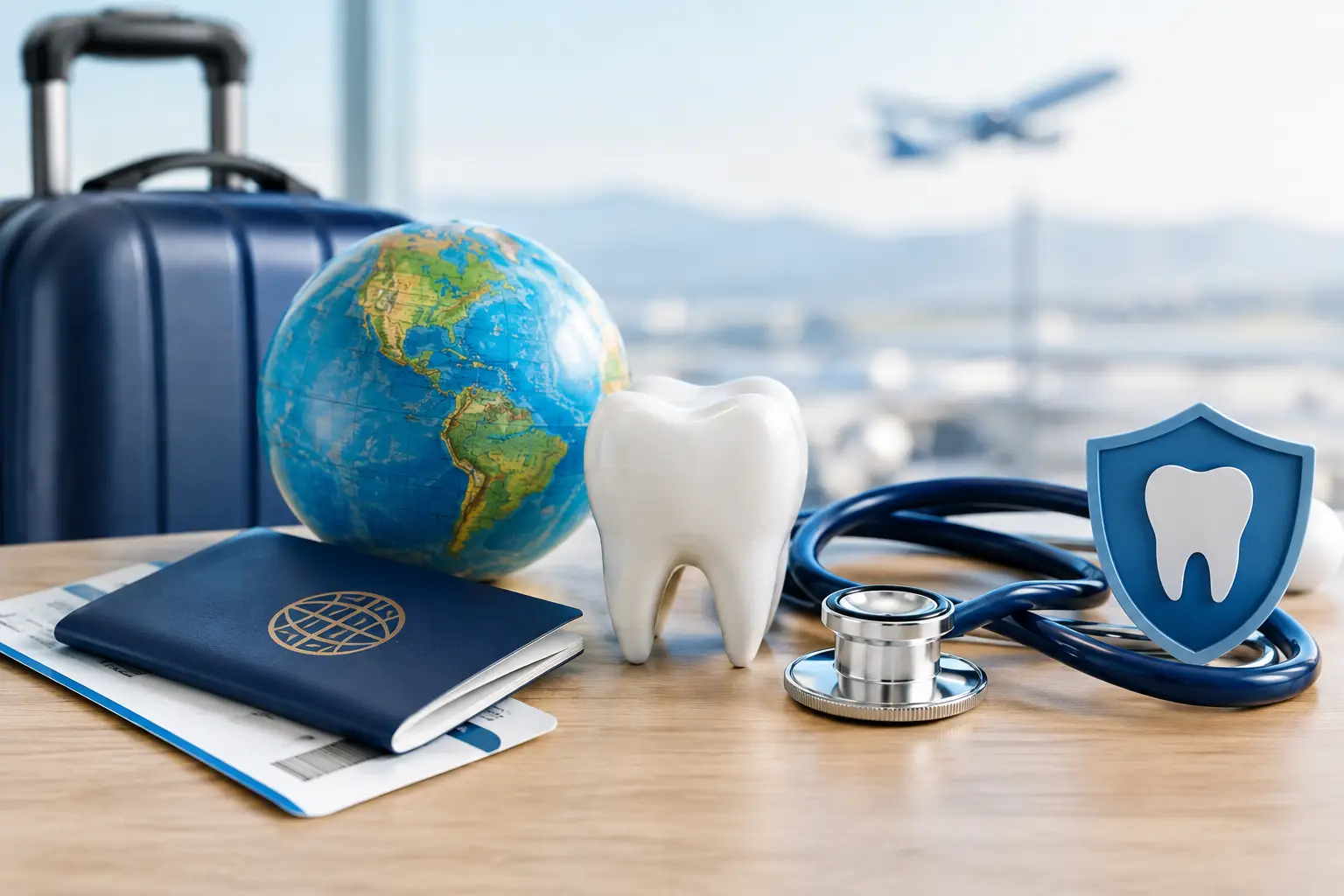
For Bermuda residents facing a large dental estimate, the cost of a full mouth restoration can make care feel out of reach. Costa Rica offers access to internationally trained, English-speaking dental professionals and modern clinics at savings that can be significant compared with local pricing. In many cases, patients may save 60 to 70 percent, even after planning for travel and accommodations.
Savings should never mean choosing blindly. Before you travel, you should understand the proposed treatment, the materials involved, what is included in the estimate, expected appointment time, possible additional costs, and whether your care requires more than one visit. Transparent planning protects you from surprises and helps you compare options fairly.
This is where a coordinated experience can make a real difference. Brighter Smiles Dental Tourism helps Bermuda patients organize the clinical and travel details together, including clinic coordination, accommodations, transportation, insurance guidance, recovery planning, and local support. You do not have to piece together a major dental trip from scattered online searches while managing a complex treatment plan.
Planning Your Full Mouth Restoration Case With Confidence
Start by gathering your current dental records, recent X-rays if available, and a clear list of your concerns. Share what hurts, what has failed before, what you hope to change, and any medical conditions or medications that may affect treatment. Good information upfront leads to a more useful preliminary review.
Next, look at the treatment plan in practical terms. Ask how long you will need to stay, what happens after each procedure, whether you can eat normally during recovery, and when it is safe to travel. If the plan involves implants or major surgery, arrange for a recovery schedule that leaves room for rest rather than treating the trip like a packed vacation.
It also helps to plan for life after you return to Bermuda. Ask about home-care instructions, follow-up needs, temporary restorations, and how communication will work if you have a question after treatment. Dental work is an investment, and your daily hygiene habits, regular cleanings, and any recommended bite protection will help protect it.
The Best Result Is One You Can Live With
Full-mouth restoration is a major decision, not an impulse purchase. It asks you to consider cost, time away, healing, clinical options, and the kind of daily life you want to return to. The best plan is not necessarily the fastest or the most elaborate one. It is the plan that is clinically appropriate, clearly explained, and achievable for you.
You deserve care that gives you choices instead of leaving you trapped by price. With thoughtful planning and trusted support, restoring your smile can become a practical next step toward eating comfortably, smiling freely, and feeling like yourself again.