A dental implant can replace more than a missing tooth. It can make meals easier, support clearer speech, and help you smile without hiding your mouth. But before you book treatment, you deserve a clear implant recovery timeline, especially when your care involves travel from Bermuda to Costa Rica.
Recovery is not one fixed number of days. Your timeline depends on whether you need one implant or several, whether a tooth is extracted at the same appointment, the condition of your jawbone, and the type of restoration planned. A well-organized dental tourism experience gives you time to heal comfortably, understand each next step, and return home with a follow-up plan you can trust.
The Implant Recovery Timeline at a Glance
For many patients, the first stage of recovery takes about one to two weeks. This is when gum tenderness, swelling, and minor bruising settle after surgery. The implant itself, however, needs longer to become secure in the jawbone.
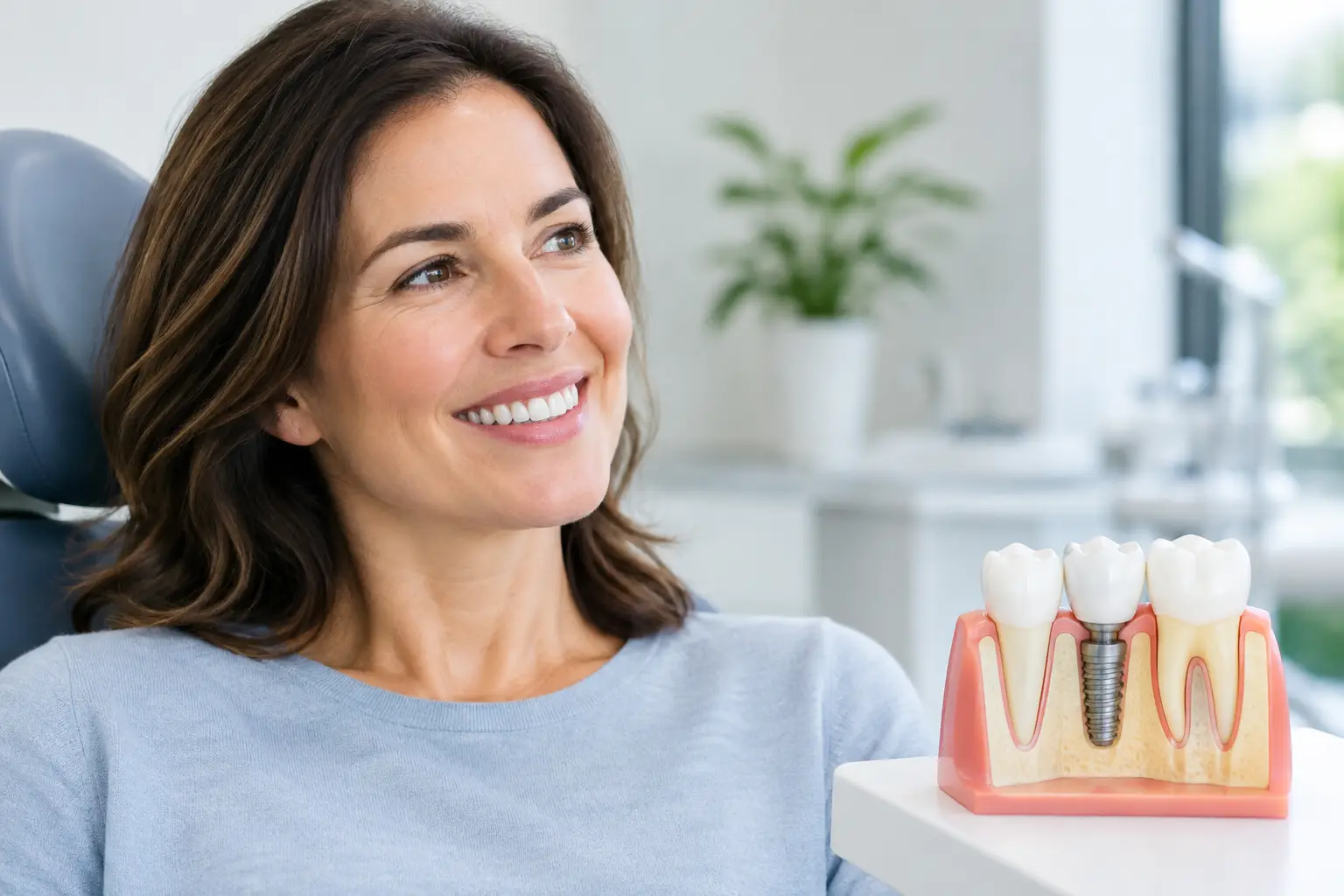
That deeper healing process is called osseointegration. It commonly takes three to six months, though your dentist may recommend more or less time based on your individual case. Once the implant is stable, the final crown, bridge, or denture can be fitted.
This longer timeline does not mean you will be in discomfort for months. Most people return to normal routines relatively quickly. The months between surgery and the final restoration are primarily about allowing the bone and implant to join properly, which creates the stable foundation your new tooth needs.
Before Your Trip: Planning for a Better Recovery
A smooth recovery begins before you leave Bermuda. Your Costa Rican dental team should review your dental records, X-rays or scans, health history, medications, and treatment goals. This helps determine whether your case is suitable for implant placement during one visit or whether it should be completed in stages.
Patients with healthy bone and no active infection may have a straightforward plan. If you need an extraction, bone graft, sinus lift, or treatment for gum disease, the schedule can change. These additional procedures can add healing time, but they are sometimes the safer choice for a strong, long-lasting result.
Plan to stay in Costa Rica long enough for the procedure and at least one post-operative check. This is not the moment to rush from the dental chair to the airport. Having comfortable recovery accommodations, transportation, soft foods, and local support already arranged can remove a great deal of stress.
Days 1 to 3: Rest, Swelling, and Soft Foods
The first 72 hours are usually the most noticeable part of the implant recovery timeline. You may experience tenderness, swelling around the surgical site, minor bleeding, and temporary jaw stiffness. Your dentist will provide instructions for pain medication, oral hygiene, eating, and activity.
Rest with your head elevated when possible, and use a cold pack on the outside of your face as directed. Stick to cool or lukewarm soft foods such as yogurt, eggs, smoothies eaten with a spoon, mashed vegetables, soups that are not hot, and soft fish. Avoid using straws, smoking, alcohol, vigorous rinsing, and hard exercise during the period your dentist specifies. These can interfere with normal healing.
You should also avoid chewing directly on the implant area. If you receive a temporary tooth, it may look natural, but it is not always designed to handle full biting pressure.
Days 4 to 14: Getting Back to Your Routine
By the fourth day, swelling often begins to improve. Many patients feel well enough to enjoy gentle sightseeing, relaxed meals, or time by the pool, provided they follow their dentist’s guidance and avoid strenuous activity. Costa Rica can still feel like a restorative getaway, but recovery comes first.
Within one to two weeks, the gum tissue generally closes and becomes more comfortable. If you have stitches, your dental team will tell you whether they dissolve or need to be removed. A check-in before you fly home is valuable because it allows the team to assess the surgical site, answer questions, and confirm your travel instructions.
Some soreness is expected. Worsening pain after initial improvement, persistent heavy bleeding, fever, foul taste, increasing swelling, or numbness that does not improve should be reported to the dental team promptly. Good care coordination means you should know exactly whom to contact while you are in Costa Rica and after you return to Bermuda.
Weeks 3 to 12: Healing Beneath the Surface
At this point, most patients are back to daily life. You may be able to eat a broader range of foods, although very hard, crunchy, or sticky foods near the implant site may still be off limits. Follow the chewing instructions specific to your procedure, not a general timeline found online.
Under the gumline, the implant is gradually integrating with your jawbone. This is the part of recovery you cannot see or feel, but it is one of the most important. An implant can feel fine early on and still need months before it is ready for a final crown.
If you received a bone graft, healing may take longer before implant placement or final restoration. That can feel inconvenient, particularly when travel is involved, but placing a final tooth too soon can compromise the outcome. A treatment plan should prioritize predictable results over unnecessary speed.
Three to Six Months: Your Final Tooth Takes Shape
Once your dentist confirms that the implant has integrated successfully, the final restoration phase begins. You may return for a digital scan or impression, an abutment placement if needed, and delivery of the permanent crown, bridge, or implant-supported denture.
A single crown often requires fewer appointments than a full-mouth reconstruction. Patients receiving multiple implants, full-arch bridges, or All-on-4 style treatment may have a different sequence, including a temporary fixed bridge followed by a stronger final bridge after healing. The right approach depends on bone quality, bite forces, oral health, and aesthetic goals.
Your final restoration should be designed to look natural and feel comfortable, but it may need minor bite adjustments. This is normal. Your dentist wants your new tooth to meet the opposing teeth correctly so that it is not carrying more force than it should.
How Travel Fits Into Dental Implant Recovery
Dental tourism works best when the clinical schedule leads the travel schedule, not the other way around. A low cost should never be the only reason to compress appointments or skip recovery time. Bermuda residents deserve meaningful savings without being left to manage clinical and travel details alone.
At Brighter Smiles Dental Tourism, the goal is to make the journey feel supported from the first consultation through recovery planning. That can include coordinating appointments, accommodations, transportation, insurance paperwork, and local assistance so you can focus on healing rather than logistics.
For some patients, treatment can be completed in one longer trip. For others, two visits are the more responsible and practical option: one for implant surgery and another after the healing period for the final restoration. Two trips require more planning, but they can provide the safest path when grafting, extensive extractions, or complex cosmetic work is involved.
Protecting Your Implant for the Long Term
Once your final tooth is in place, care for it every day. Implants cannot get cavities, but the gums and bone around them can become inflamed or infected. Brush carefully, clean between your teeth using the tools recommended by your dentist, and attend regular hygiene visits.
If you grind or clench your teeth, a night guard may protect both your natural teeth and your implant restoration. Smoking can also raise the risk of healing and long-term implant complications. These habits do not automatically rule out implants, but they should be discussed honestly before treatment.
Your implant recovery timeline is not a race. Give your body the time it needs, ask direct questions about every stage, and choose a care plan that supports both your health and your peace of mind. The right treatment journey leaves you with more than a new tooth – it gives you the confidence to use your smile freely again.