
A dental implant is a long-term investment in how you eat, speak, and smile. That is why implant travel preparation should begin well before you book a flight from Bermuda. The right plan protects your comfort, gives your dental team the information they need, and helps you travel with clear expectations about treatment, recovery, cost, and timing.
For many Bermudians, the alternative is putting off needed care because local implant prices feel out of reach. Traveling to Costa Rica can create meaningful savings while connecting you with modern clinics and English-speaking dental professionals. But affordable care should never mean figuring it out alone. Your Choice, Your Smile, Your Way starts with a plan built around your health.
Start With a Complete Implant Assessment
Dental implants are not a one-size-fits-all procedure. Before travel, your provider needs a clear picture of your oral health, medical history, and treatment goals. Recent X-rays, scans, periodontal records, and notes from your current dentist can help the Costa Rican clinical team assess whether an implant is appropriate and what preparation may be needed.
Some patients can move directly toward implant placement after an evaluation. Others may first need an extraction, treatment for gum disease, a bone graft, or a sinus lift. None of these possibilities should be treated as a surprise after you land. A careful pre-travel review helps identify likely needs, explain the treatment sequence, and provide a transparent estimate before you commit to the trip.
Share all relevant health information honestly. This includes medications, allergies, diabetes, heart conditions, blood-thinning medication, smoking or vaping habits, prior radiation therapy, and past dental procedures. Certain medical conditions do not automatically prevent implant treatment, but they can affect timing, healing, or the type of care your dentist recommends.
Understand Whether Your Care Requires One Trip or More
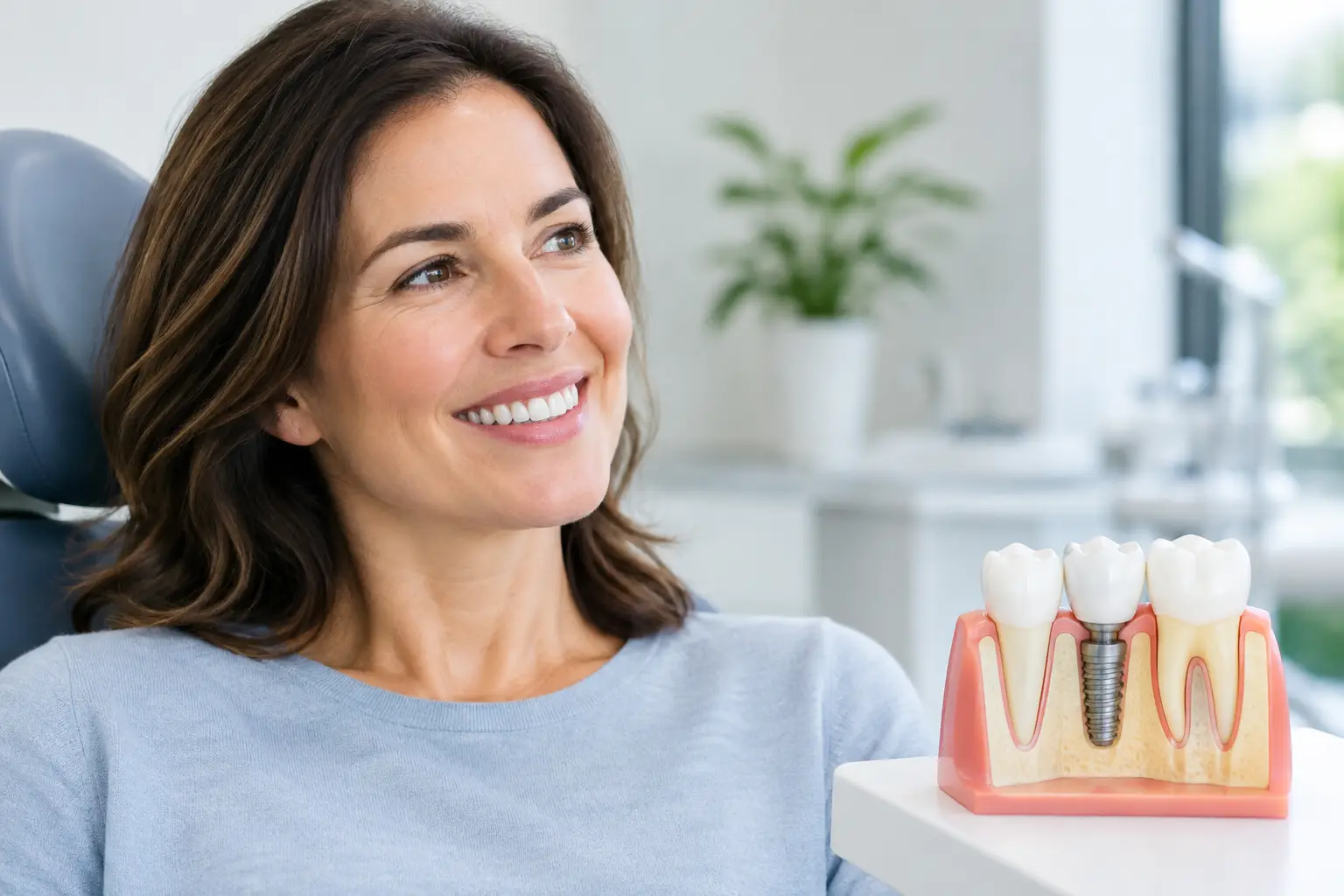
This is one of the most important parts of implant travel preparation. An implant usually has two major stages: placing the implant post in the jawbone and attaching the final crown after healing. The healing period, called osseointegration, can take several months because the implant needs time to bond with the bone.
Depending on your case, your first trip may include scans, extraction if needed, implant placement, and a temporary tooth solution. You may return later for the final crown or bridge. In selected cases, a temporary restoration may be placed sooner, but that depends on bone quality, bite pressure, and the dentist’s clinical judgment.
A clinic that promises the same timeline for every patient is not giving you individualized care. Ask what can reasonably be completed during each visit, how long you should remain in Costa Rica after surgery, and what follow-up is expected once you are back in Bermuda.
Build Your Travel Dates Around Recovery
Implant placement is surgery, even when the procedure is straightforward. You should not schedule it as though it were a teeth-whitening appointment squeezed between excursions. Plan time to rest, eat soft foods, attend any post-operative check, and deal with normal swelling or tenderness without pressure.
For many patients, it makes sense to arrive at least a day before treatment. That gives you time to settle in, hydrate, and attend a final in-person consultation if required. After surgery, remain in the country for the period your clinical team recommends. This may be only a few days for a simple case, while more complex treatment involving grafting or multiple implants can require more time and monitoring.
Choose recovery-friendly accommodations. You want a clean, quiet place with easy transportation, comfortable bedding, and access to soft foods. Staying close to the clinic can make follow-up appointments less stressful. It also means you are not navigating unfamiliar roads or long travel times while you are healing.
A Costa Rican dental trip can still include enjoyable moments, but recovery comes first. Gentle sightseeing, a peaceful hotel day, or a relaxing meal may be realistic. Strenuous hikes, swimming immediately after surgery, alcohol, and a tightly packed schedule may not be. Your treatment plan should shape the vacation, not the other way around.
Organize the Practical Details Before You Fly
A little organization prevents last-minute stress. Keep both digital and printed copies of your passport, travel itinerary, clinic contact details, treatment plan, medication list, insurance information, and emergency contacts. Bring enough prescription medication for your full trip, plus a small buffer in case your travel is delayed.
Ask your dental team what to pack for post-treatment comfort. You may be advised to bring loose, comfortable clothing, a travel pillow, lip balm, and approved pain medication. Do not assume over-the-counter products are right for you after surgery. Follow the instructions provided by your dentist, especially if you take other medications or have health conditions.
You should also know what your quoted price includes. Implant treatment can involve several separate elements: consultation, imaging, extraction, grafting, the implant post, abutment, temporary restoration, final crown, and follow-up visits. Transparent pricing does not mean every patient has the same cost. It means you understand which services are included, which items may be recommended after examination, and how any changes will be discussed.
If you have dental or travel insurance, review your policy before you leave Bermuda. Some plans may offer partial reimbursement for eligible treatment, while others may have restrictions for care received abroad. Keep detailed invoices, treatment notes, and receipts in case you need them for a claim. Insurance coordination is worth addressing early, not after you return home.
Prepare Your Body for Better Healing
Your dentist will give you instructions specific to your procedure, and those directions always come first. Still, a few habits matter for almost every implant patient. Good oral hygiene before treatment helps create a healthier foundation. Eating well, staying hydrated, and getting enough sleep can also support your recovery.
Smoking and vaping deserve a direct conversation. Nicotine can interfere with blood flow and healing, increasing the risk of implant complications. If you smoke or vape, tell your care team before planning treatment. They can explain the risks and advise you on the safest path forward.
Plan your first days after surgery around soft, nourishing foods. Think soups that are not too hot, yogurt, eggs, smoothies eaten with a spoon, mashed vegetables, and other foods that do not require heavy chewing. Avoid using a straw unless your dentist says it is safe, particularly after an extraction, because suction can affect healing.
Know Who Is Supporting You on the Ground
Traveling for dental care should not mean being left alone with a hotel address and an appointment time. You should know who will meet you, how you will get to and from the clinic, how to reach support after hours, and what happens if your itinerary changes.
This is where a full-service coordinator can make a real difference. Brighter Smiles Dental Tourism helps Bermuda patients organize the clinical and travel sides of their journey, from appointments and accommodations to ground transportation and local support. The goal is simple: you focus on getting the care you need while someone trusted handles the unfamiliar details.
Before departure, confirm your daily schedule and the name of the person you can contact if you have a question. Ask about language support, transportation after sedation if applicable, and what assistance is available if you need an additional check before flying home. Clear answers create confidence.
Plan for Follow-Up After You Return to Bermuda
Your care does not end when the plane lands. Before you travel, understand your post-treatment instructions and how the clinic will handle questions once you are home. You may need to send photos, attend a local check-up, or wait a defined period before beginning the next implant stage.
Know the signs that require prompt clinical advice, such as worsening pain after the expected recovery period, persistent bleeding, fever, unusual swelling, or a loose temporary restoration. Most patients heal well when they follow instructions, but having a clear communication plan is part of responsible care.
The best implant trip is not the fastest one or the most tightly scheduled. It is the one that gives you quality treatment, enough time to recover, honest costs, and a support system that lets you return home feeling cared for and confident about your next smile.