A missing tooth can affect far more than a photograph. It can change how you chew, speak, and feel when you laugh with friends. That is why dental implant experiences are rarely just about a procedure. For many Bermuda residents, they are about finally having a clear, affordable path toward a smile that feels like their own again.
The honest version is this: implants require planning, patience, and a recovery period. They are not a one-day cosmetic fix. But with the right clinical team and someone handling the travel details around you, the process can feel far more manageable than people expect. Costa Rica gives Bermudians access to modern care, English-speaking professionals, and potential savings of 60-70% compared with local pricing, without asking them to compromise on personal attention.
What Dental Implant Experiences Really Feel Like
Most people begin with a mix of hope and hesitation. They may have lived with a gap, a loose denture, or failing teeth for years because the local treatment estimate felt out of reach. Others worry that receiving care abroad will be confusing or impersonal. A well-coordinated implant journey should address those concerns before you ever board a flight.
Your experience begins with a review of your dental records, X-rays, or scans when available. The clinical team uses this information to assess whether an implant is likely to be appropriate, how many implants may be needed, and whether you need supporting treatment first. Gum health, bone density, bite alignment, and existing infection all matter. A responsible provider will not promise the same solution to every patient.
At your in-person consultation in Costa Rica, the dentist confirms the plan through a detailed exam and imaging. This is an important moment because the plan may change slightly once the team can see the full clinical picture. That is not a red flag. It is how careful dentistry works. Transparent pricing and a clear explanation of any change help you make decisions with confidence.
During Implant Placement
Dental implant placement is normally performed with local anesthesia, and some patients may be candidates for additional sedation depending on their treatment plan and health history. You should not feel pain during the procedure, though you may notice pressure or vibration. If you have avoided dentistry because of fear, tell the team early. A good clinician will explain what is happening, check on your comfort, and adjust the pace when needed.
Afterward, most patients describe soreness, swelling, and tenderness rather than severe pain. The first two or three days are often the most noticeable. Medication, cold compresses, soft foods, and rest make a real difference. Some people return to gentle sightseeing quickly, while others prefer quiet recovery time at their accommodation. Both are normal.
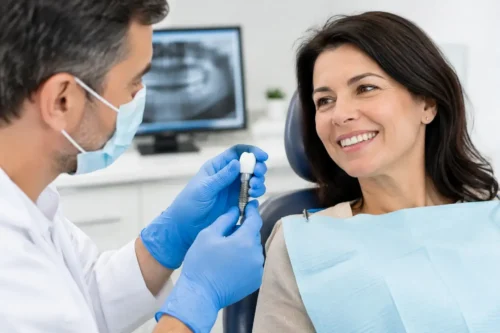
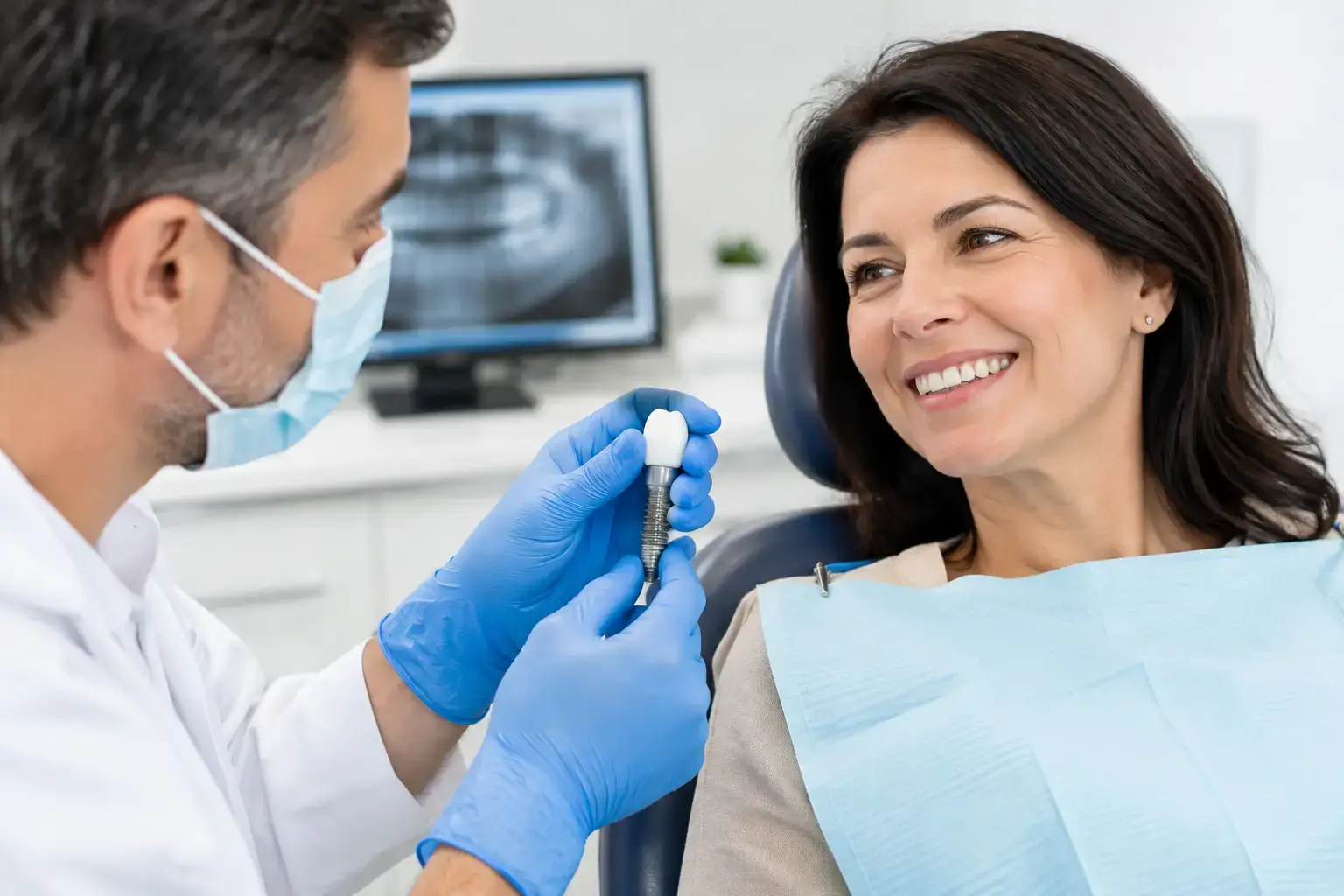
A dental implant is placed in the jawbone, where it needs time to integrate with the bone. This healing process, called osseointegration, is what gives an implant its long-term stability. Depending on your case, you may receive a temporary tooth, a healing cap, or another provisional solution while the implant heals. The final crown is often completed later, either during a planned return visit or according to the timeline recommended by your dentist.
Why Treatment Timelines Differ
One of the most useful lessons from dental implant experiences is that there is no single timetable. A straightforward single implant may involve one treatment trip for placement and a later visit for the final crown. Full-mouth restoration, multiple implants, extraction, bone grafting, or sinus lifting can require more time and more than one stage.
That can sound discouraging, but a staged approach is often the safest and most predictable route. Trying to rush healing simply to fit a short vacation schedule is not in your best interest. Your care plan should be built around your mouth, your medical needs, and the quality of the final result.
If you need an extraction, for example, the dentist may recommend placing the implant at the same visit or allowing the site to heal first. Immediate placement can be an excellent option in the right situation, but it depends on infection levels, available bone, and stability at placement. This is one reason an experienced clinical assessment matters more than a one-size-fits-all package.
The Travel Side Should Not Add Stress
For Bermuda residents, the worry is often bigger than the dental chair. Who meets you at the airport? Where will you stay after treatment? What happens if you need help outside clinic hours? How do you organize appointments, transport, and recovery without trying to solve everything from another country?
That is where a dental tourism coordinator changes the experience. Rather than acting as a simple referral service, Brighter Smiles Dental Tourism helps organize the care and the journey around it. This can include clinic coordination, accommodations suited to recovery, ground transportation, insurance guidance, and local support while you are in Costa Rica.
This support matters most on treatment days. You should be able to focus on getting to your appointment, asking questions, and following your aftercare instructions, not navigating an unfamiliar city while tired or uncomfortable. Many patients also appreciate having time built into the itinerary before flying home. Even when you feel well, a relaxed schedule gives you space for follow-up checks and a more comfortable recovery.
Costa Rica can also make the trip feel less clinical. Recovery does not need to mean staying isolated in a hotel room for an entire week. Depending on how you feel and what your dentist recommends, you may enjoy calm activities, beautiful views, and restorative downtime. The key is to keep expectations realistic. This is a treatment trip first, with vacation moments thoughtfully planned around it.
Questions to Ask Before Choosing an Implant Provider
Confidence comes from asking direct questions, not from accepting vague assurances. Before committing to treatment, ask who will place the implant, what training and experience they have, and what imaging will be used to plan your case. Ask what brand of implant system is being used and whether components will be available in the future if you ever need maintenance.
You should also understand what the quoted price includes. Is it for the surgical implant only, or does it include the abutment and final crown? Are extractions, bone grafting, sedation, temporary teeth, imaging, and follow-up visits included or priced separately? A lower starting number is not always a lower final cost.
It is equally reasonable to ask about follow-up after you return to Bermuda. Implants need routine hygiene care and periodic monitoring, just like natural teeth. Your coordinator and clinical team should explain what records you will receive, what aftercare is expected locally, and how questions will be handled after your trip.
Recovery Habits That Protect Your Investment
The implant procedure is only one part of the outcome. Healing habits matter. For the first days, follow the clinic’s instructions closely regarding medication, rinsing, food, physical activity, and brushing. Eat soft, nourishing foods, stay hydrated, and avoid disturbing the surgical site.
Smoking and nicotine use can seriously interfere with healing and increase the risk of implant failure. If you smoke, discuss it openly before treatment. Your dentist may recommend delaying the procedure, changing the plan, or stopping nicotine for a specific period before and after surgery. That conversation is about protecting your result, not judging you.
Long-term success also depends on daily cleaning and regular professional care. An implant cannot develop a cavity, but the gum and bone around it can still become inflamed. Brushing carefully, cleaning around the implant as instructed, and attending checkups help protect the foundation that holds your new tooth in place.
A Better Experience Starts With a Clear Plan
The best dental implant experiences are not the ones that promise perfection or painless treatment. They are the ones where you know what is happening, what it will cost, where you will recover, and who will be available if you have a question. You deserve that level of clarity, especially when your dental care involves travel.
A new tooth can restore chewing function, confidence, and the freedom to stop planning your life around a missing or failing tooth. Give yourself permission to ask for the treatment plan, support, and price transparency that make that next step feel possible.